
Step-by-step ultrasound for small animal vets
Clear, practical guidance that follows you into the ultrasound room
eVet Academy provides veterinary ultrasound training for small animal vets who want to stop second-guessing their scans.
Get usable, easy-to-follow guidance that helps you understand what you’re looking at and make clearer decisions when you’re mid-consult, probe in hand and the answer matters.
Step-by-step ultrasound for small animal vets
Clear, practical guidance that follows you into the ultrasound room
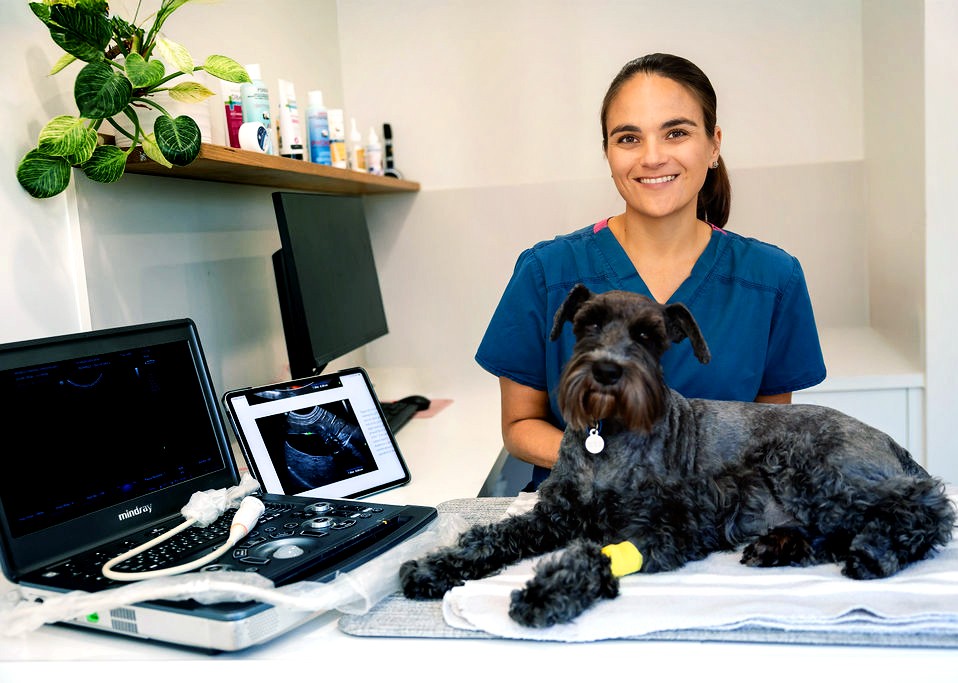
eVet Academy provides veterinary ultrasound training for small animal vets who want to stop second-guessing their scans.
Get usable, easy-to-follow guidance that helps you understand what you’re looking at and make clearer decisions when you’re mid-consult, probe in hand and the answer matters.
3,350 vets trained and counting
A systematic, protocol-led approach to veterinary ultrasound
Supporting vets in 97+ countries and counting
Loved by both new grads and vets with 10+ years under their belt
3,350 vets trained and counting
A systematic, protocol-led approach to veterinary ultrasound
Supporting vets in 97+ countries and counting
Loved by both new grads and vets with 10+ years under their belt
Ultrasound is one of those skills nobody really finishes learning
For many vets, that’s because the proper training never happened in the first place. Vet school covered some of the theory.
Learning how to perform a veterinary ultrasound properly (with someone actually in the room with you) was supposed to come later.
For a lot of vets, that moment never arrived.
For others, it’s a different problem. You’ve been scanning for years. You’re competent. You know what you’re doing, until you find something that doesn’t fit the mould and the second-guessing creeps in.
Both of those experiences end up in the same place:
wide awake at 3 am, replaying a case, wondering if you interpreted the scan correctly and made the right decision.
That feeling isn’t a sign you’re bad at this. It’s a sign you care.
And it’s a sign that practical, medicine-led ultrasound support is worth having.
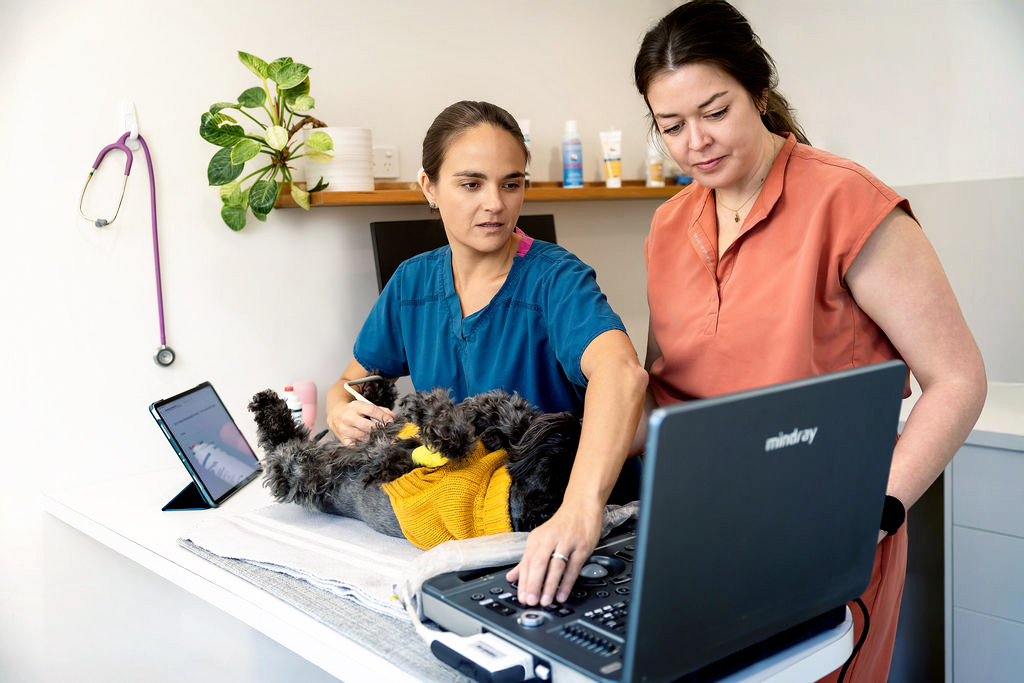
We’re the colleague in the room with you
eVet Academy was built for vets like you.
Vets who have limited time but are doing their best to do a good job and make the right call.
This is veterinary ultrasound training explained the way you need it:
Clear, step-by-step guidance you can follow in real time
Practical, medicine-led thinking instead of textbook theory
Written like someone is talking you through it
Designed to fit into your week
It’s the closest thing to having someone standing next to you in the room, showing you exactly how to perform an ultrasound.
Find your starting point
Explore the resource hub
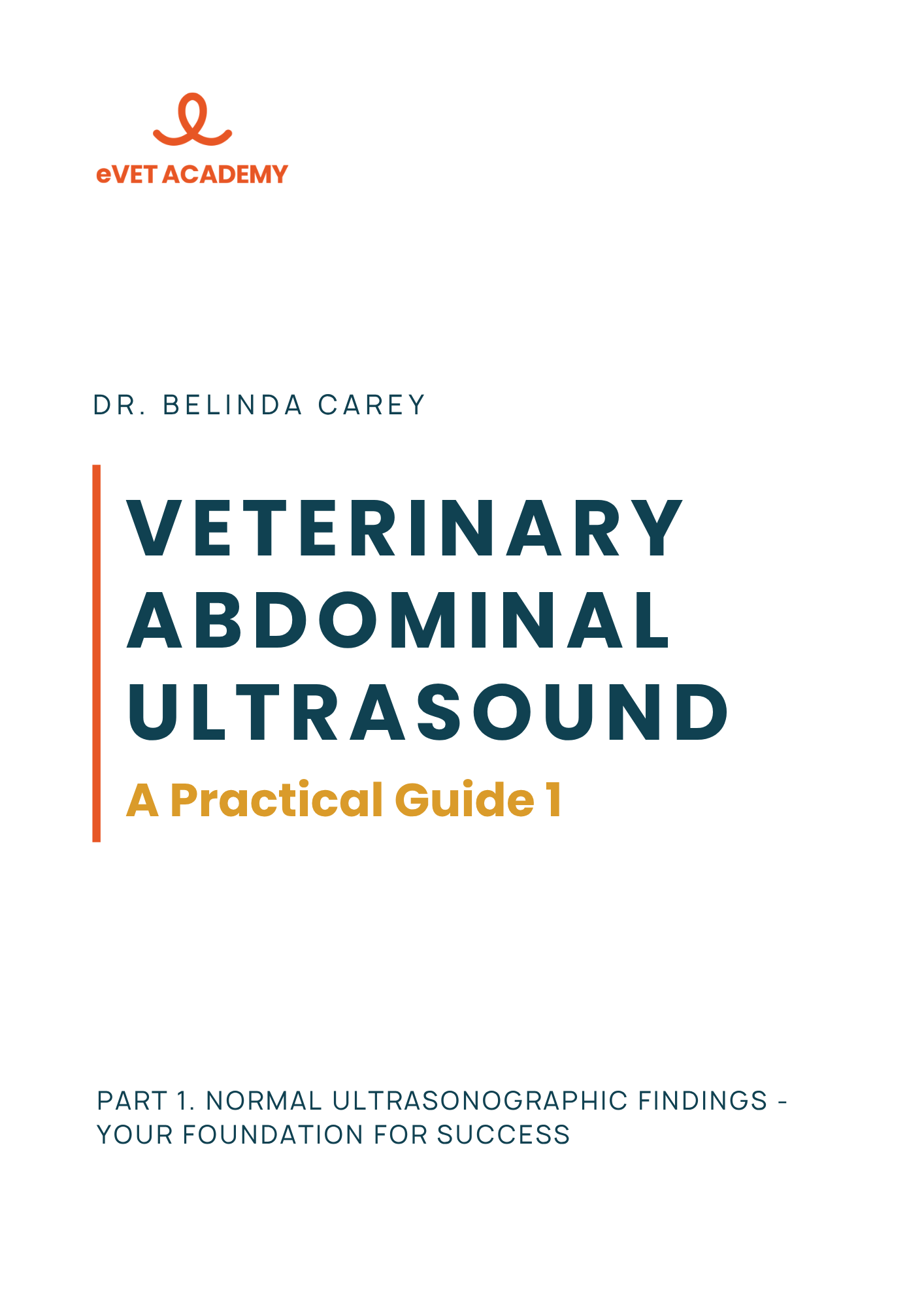
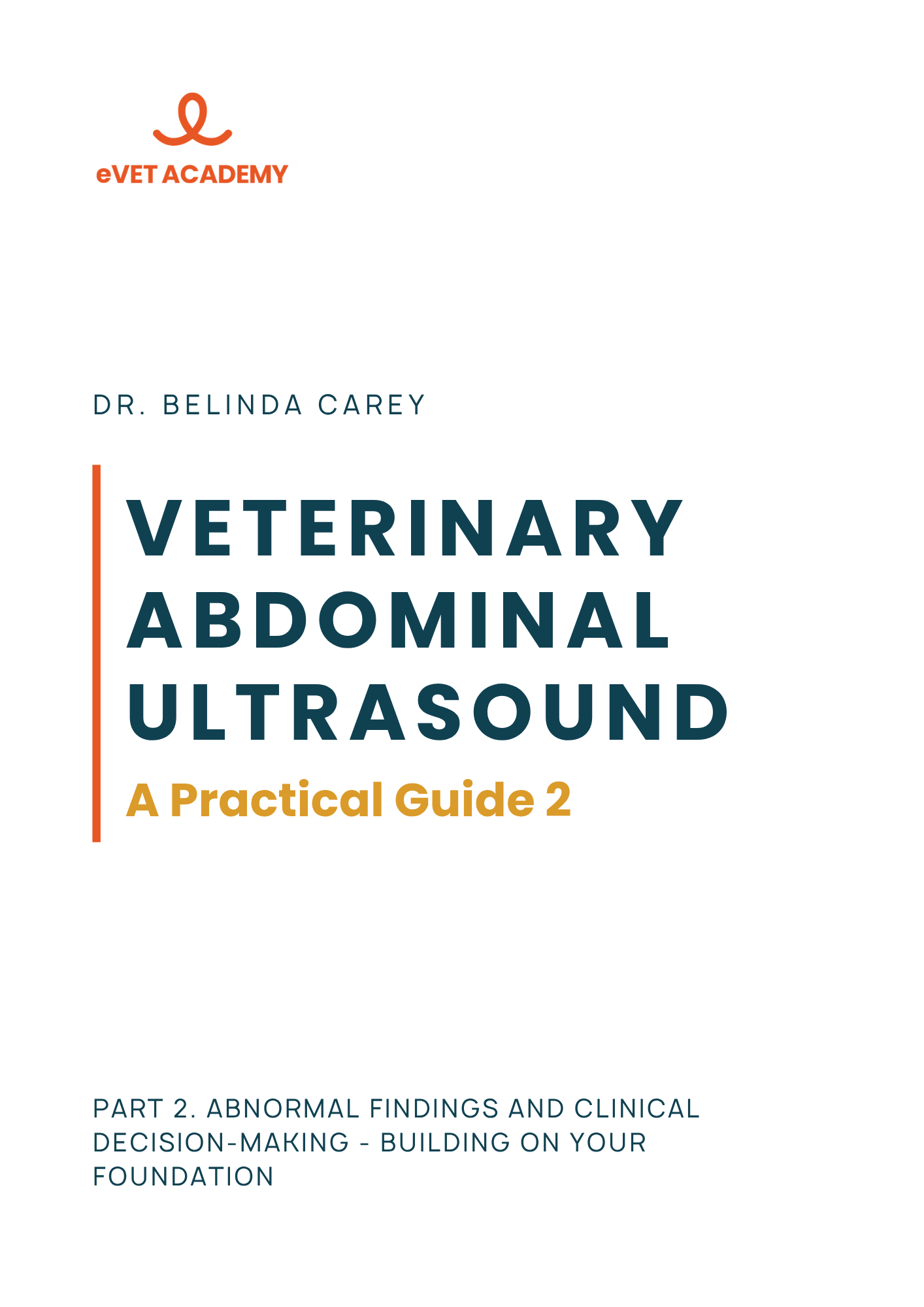
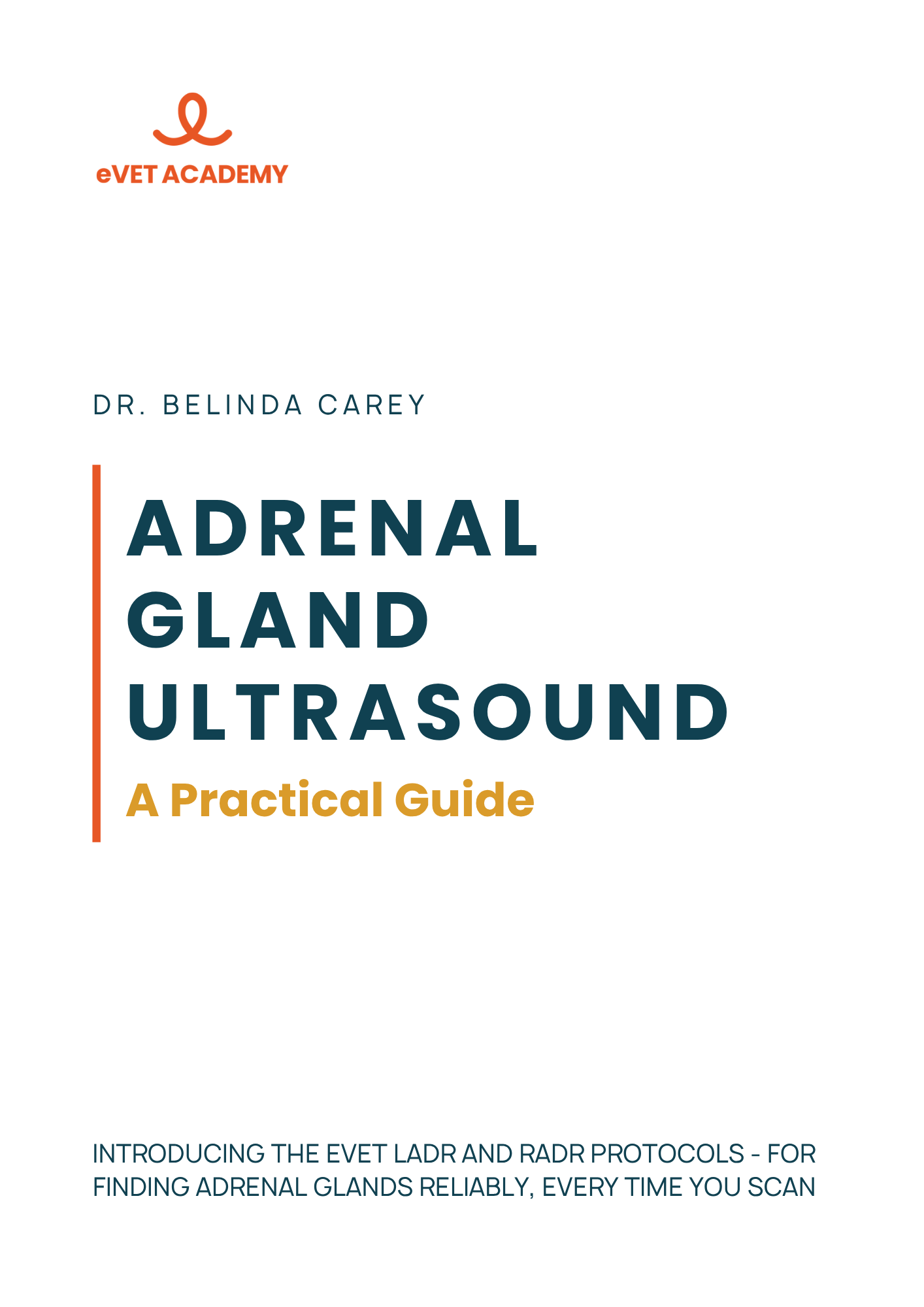
Practical veterinary ultrasound guides written the way a good colleague explains things. Start with the fundamentals of small animal ultrasound, build into interpretation and keep coming back to them whenever you need a refresher.
Current guides include:

Go deeper with a masterclass
Some things are easier to learn when you can see them. The problem with most veterinary ultrasound videos is that the angles don’t show you the subtleties, like where the probe is actually pointing, how it’s moving and the small hand adjustments that make all the difference between finding something and missing it.
Our practical sessions cover the stuff that’s hard to get from a guide alone: probe movement, patient positioning and the decision-making process behind ultrasound findings.
Our masterclasses are designed around:
Scan technique and probe positioning
Watch exactly where to place it, how to move it and why
Recognising and interpreting findings
Learn what normal and abnormal patterns look like on screen and what they mean clinically
Build skills that translate directly into clinic
Technique you can apply the next day
Our masterclasses include the RACE-approved Adrenal Gland Ultrasound Masterclass, 60 minutes on demand, built around our LADR and RADR protocols.
Join the community
A space for vets who are doing the work and want ongoing support while they do it. Case discussion, shared learning and the reassurance that the thing you’re second-guessing at 3 am has probably been second-guessed by someone else in here, too.
A growing library of resources
Masterclasses, case discussions and practical tools, all in one place
Ongoing support and shared learning
With vets working through the same challenges you are
Access case discussions
because a room full of vets brainstorming a problem together is better than one vet thinking through it alone.
From vets who were exactly where you are now
Your posts and the first book helped me get through this first year of practice. Whenever I felt doubt and bad that I don’t know everything about ultrasound and I just wanted to be able to check a patient, I remember how you keep saying practice is so important in learning and to just do it… also the way you explained how to communicate with the owner.
Since I had the first book, I felt more confident whenever I had to do an ultrasound and I had such a clear vision of the organs and how I should examine them. And the results were amazing, I even found things my more experienced colleagues didn’t, just because I was looking carefully and not scared that I don’t have the experience. I even diagnosed some difficult cases and I received the confirmation that I was right.
This guide has already been the perfect tool for me as a GP vet. Not only does it provide great examples of baseline appearances and measurements of normal, it also has step-by-step guides on how to find all the essential organs – even the pancreas! 11/10 recommend, the perfect get started guide and a great long term investment for anyone who loves to (or wants to love to) scan!
Hi! I am a (still learning) vet ultrasonographist and I have to tell you, your content is pure gold!! I love how accurate the photos are and how well you describe what you see with the ultrasound machine. I’m happy I found your page, been following for a while now and the content is exceptional!
Start here. It’s free.
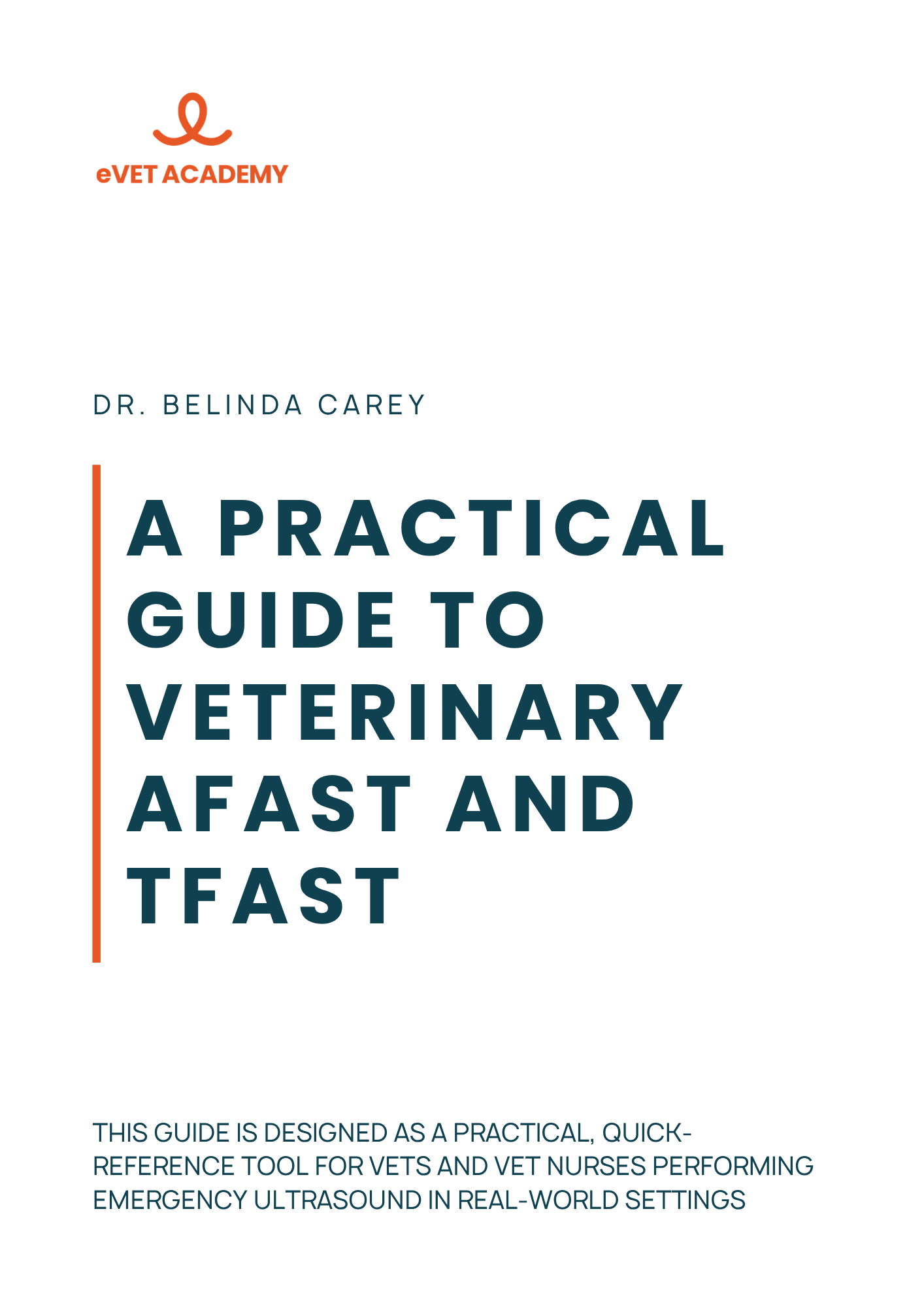
Download the eVet AFAST/TFAST GUIDE and get a practical, quick-reference tool for performing emergency abdominal and thoracic ultrasound in a real clinical setting.
You’ll learn how to:
- Perform a rapid, systematic FAST scan in under three minutes
- Score and monitor free fluid with confidence
- Spot the abnormalities that change your clinical decision-making
- Assess the gall bladder, spleen, urinary bladder and GIT alongside your FAST views
- Document and track findings across multiple scans using the included template

Not your typical vet educator
Belinda is a vet with a background in internal medicine, a MANZCVS to her name and years of hands-on experience offering mobile ultrasound across general practice clinics in Brisbane, Australia.
She’s not a specialist radiologist. And that’s important because it shapes how she teaches.
Ultrasound in general practice is a different discipline. It needs to be taught that way.
What she found going clinic to clinic was the same thing everywhere: vets who were capable, intelligent and quietly struggling with ultrasound. They were good vets, but practical skills need to be shown and that part of the training rarely happens.
So she wrote the guides she wished existed. Simple explanations. Medicine-led. The kind you can follow mid-consult without losing your place.
Confidence is a skill and skills are built
The vets who become confident at ultrasound are the ones who show up consistently, put the reps in and stop waiting until they feel ready. Readiness is a feeling that follows action, not one that precedes it.
You already care enough to be here, which, given how little time most vets get to themselves, says a lot. The rest is just showing up.